
Why Combustible Metal Fires Require Class D Fire Extinguishers
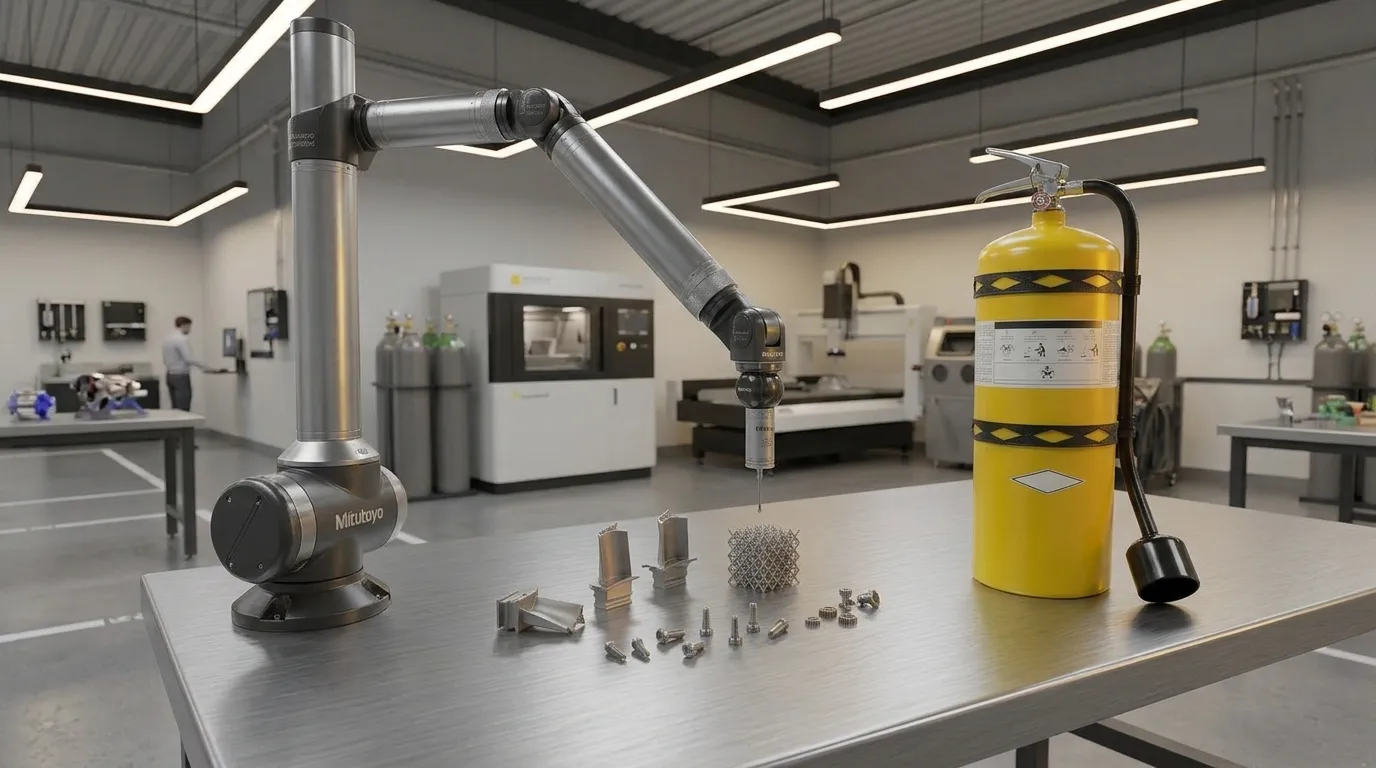
Combustible metals require a different response than fires from ordinary combustibles, flammable liquids, or energized electrical equipment. OSHA classifies metal fires as Class D, involving metals such as magnesium, titanium, zirconium, sodium, lithium, and potassium. In West Michigan, recognize hazards where metal powders, flakes, shavings, turnings, or similar materials are produced or handled. The correct Class D extinguisher and agent depend on the specific metal, making hazard identification essential.
Key Takeaways
- Combustible metal fires require specialized Class D extinguishing agents because conventional extinguishers may not safely control these unique workplace hazards effectively.
- Facilities should identify combustible metals and their physical forms before selecting extinguishers, establishing placement requirements, or developing emergency response procedures properly.
- Class D extinguishing agents must match specific metal hazards because a single agent does not necessarily control every combustible metal fire.
- Regular inspection, proper placement, employee education, and professional extinguisher service help commercial facilities maintain readiness for combustible metal fire emergencies safely.
How Class D Extinguishers Control Combustible Metal Fires
Class D extinguishers are designed for combustible metal hazards rather than the ordinary materials associated with Class A, B, or C fires. OSHA notes that metal powders, flakes, and shavings involving magnesium, titanium, potassium, and sodium require specialized Class D extinguishers.
Combustible Metals Create Specialized Fire Hazards
Metalworking and manufacturing processes can create particularly challenging conditions when combustible metals are present as dust, powder, shavings, turnings, or other finely divided material. NFPA guidance identifies finely divided forms as presenting significant hazards and notes that metal fires can involve intense heat.
Identifying where combustible metals are generated, processed, collected, or stored helps West Michigan facilities determine where specialized fire protection may be necessary.
Class D Extinguishing Agents Help Control Metal Fires
Class D extinguishing agents use specialized dry powders intended to control combustible metal fires. OSHA distinguishes these materials from ordinary dry chemicals and notes that water, gas, and certain conventional dry chemicals cannot control some combustible metal fires.
Facilities should base extinguisher strategies on the specific material involved, since unsuitable extinguishing agents can increase hazards rather than control them.
Extinguisher Selection Depends on the Combustible Metal
There is no single extinguishing agent that is automatically appropriate for every combustible metal. NFPA guidance explains that Class D agents are specialized, with some suitable for several metals and others intended for particular metal hazards.
Commercial stakeholders should review metals used, safety information, manufacturer recommendations, and fire protection requirements when selecting appropriate Class D equipment.
Proper Placement Supports Faster Emergency Response
A suitable extinguisher cannot support an emergency response effectively if employees cannot reach it within the required travel distance. OSHA requires Class D extinguishers within 75 feet of metal working areas where powders, flakes, or shavings are generated biweekly.
Facility teams should account for equipment locations, work areas, storage arrangements, and changes to production layouts when evaluating extinguisher placement.
Key Steps for Managing Combustible Metal Fire Risks
Managing combustible metal fire risks starts before an emergency occurs. Commercial facilities need to understand their hazards, select suitable extinguishing equipment, maintain that equipment, and prepare employees to follow the facility’s established emergency procedures.
Identify Combustible Metal Hazards in the Facility
Facility assessments should identify combustible metals and locations where hazardous forms, including powders, flakes, dust, shavings, or turnings, accumulate.
This assessment is especially relevant for manufacturers, fabrication operations, machine shops, and other commercial environments where metal processing occurs. Understanding the material and process helps facility managers determine whether specialized Class D protection is needed and where it belongs.
Match Class D Extinguishers to the Specific Hazard
Class D equipment should be selected for the specific combustible metal hazard rather than treated as an interchangeable category of extinguishers. NFPA guidance recommends consulting information for the Class D hazard and extinguisher manufacturer because extinguishing agents can behave differently with different metals.
A fire protection professional can help facility stakeholders evaluate extinguisher selection as part of the broader portable fire extinguisher program.
Inspect and Maintain Fire Extinguishers
Portable fire extinguishers must remain accessible and ready for their intended use, making routine inspection and maintenance important components of facility fire safety. Fire Pros provides commercial fire extinguisher inspection, testing, service, and repair for businesses in Michigan’s Lower Peninsula.
Regular professional attention can help facility teams identify extinguisher condition, accessibility, labeling, and other service needs before an emergency exposes a problem.
Train Employees on Metal Fire Response
Employees expected to use portable extinguishers need education appropriate to their responsibilities and workplace hazards. Class D extinguishers require specialized application techniques, as improper discharge can spread combustible metal material or suspend particles in the air.
Employers should establish emergency procedures covering extinguisher use, evacuation, and avoiding unsuitable agents during combustible metal fires.
Review Fire Protection Needs as Operations Change
A facility’s combustible metal hazards can change when production processes, equipment, raw materials, storage arrangements, or floor layouts change. Safety managers and facility leaders should include portable fire protection in operational change reviews rather than assuming existing equipment remains appropriate.
Reassessing the hazards can identify whether extinguisher types, locations, inspection requirements, employee procedures, or other fire protection measures need to be updated.
Protect Your Commercial Facility From Combustible Metal Fire Risks
Combustible metal hazards call for fire protection equipment selected for the materials and processes present in the facility. The wrong extinguishing agent may be ineffective or increase the danger, so businesses should identify their hazards and maintain suitable Class D protection before an emergency occurs.
Fire Pros has served commercial customers since 1984 and provides fire extinguisher inspection, testing, service, and repair throughout Michigan’s Lower Peninsula.
Contact us to discuss commercial fire extinguisher service needs.
Frequently Asked Questions
What types of metals can create Class D fires?
Class D fires involve combustible metals. OSHA identifies examples including magnesium, titanium, zirconium, sodium, lithium, and potassium. The hazard can become especially significant when combustible metals are present as powders, flakes, shavings, or other finely divided materials.
Can a standard ABC fire extinguisher be used on a combustible metal fire?
A standard ABC extinguisher should not be assumed suitable for a combustible metal fire. OSHA notes that certain conventional extinguishing agents cannot control Class D fires, while specialized dry powders are designed for combustible metal hazards.
How do businesses determine which Class D extinguisher they need?
Businesses should first identify the combustible metal and its form, quantity, and workplace use. Class D agents are not universally interchangeable, so facilities should consider manufacturer guidance, applicable safety information, fire protection requirements, and professional hazard evaluation.
How often should Class D fire extinguishers be inspected?
Inspection and maintenance requirements depend on applicable standards, equipment, and workplace conditions. Commercial facilities should maintain a documented extinguisher program and arrange professional inspection and servicing so Class D equipment remains accessible, appropriate for identified hazards, and ready for emergencies.
Category: Fire Extinguishers Let us help.
Fill out the form and a Fire Pros specialist will contact you.