
Understanding Fire Extinguisher Classes and When to Use Each One
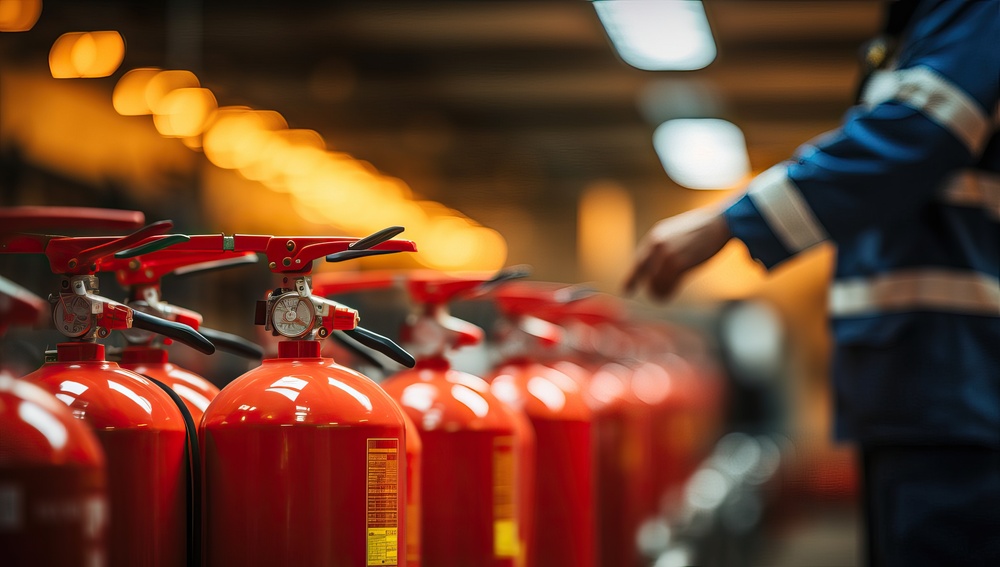
Fire extinguishers are not one-size-fits-all tools for putting out flames. Understanding the types of fire extinguishers helps West Michigan business owners protect their property and meet basic safety expectations. Different extinguisher classes are designed for different fuel sources, from paper and wood to flammable liquids and electrical equipment.
This guide breaks down each class, explains where each one applies, and outlines what commercial property owners should consider when planning fire safety for their facility.
Key Takeaways
- Fire extinguishers are grouped into classes based on the type of fuel or hazard they are designed to fight.
- Class A, B, C, D, and K extinguishers each address a specific category of fire risk in commercial buildings.
- Matching extinguisher class to hazard type reduces property damage and supports safer emergency response for staff.
- Regular inspection and proper placement of extinguishers help West Michigan businesses stay prepared and aligned with fire codes.
How to Match Fire Extinguisher Classes to Common Workplace Hazards
Different areas within a commercial building present different fire hazards based on the materials, equipment, and activities taking place. Understanding which extinguisher class matches each risk helps property owners improve workplace safety and prepare for a more effective emergency response.
Class A Extinguishers for Ordinary Combustibles
Class A fire extinguishers are built for ordinary combustible materials like wood, paper, cardboard, and cloth. These materials are common in office spaces, retail stores, and storage areas throughout West Michigan. A Class A extinguisher typically uses water or dry chemical agents to cool the fuel source below its ignition point. Facilities with paper-heavy operations or wood-frame construction should confirm Class A coverage is present in accessible locations.
Class B Extinguishers for Flammable Liquids
Class B extinguishers target fires involving flammable liquids and gases, including gasoline, oil, and solvents. Warehouses, auto shops, and manufacturing facilities in the region often store these materials in quantity. These extinguishers work by smothering the fire and cutting off its oxygen supply rather than cooling it with water. Using the wrong agent on a liquid fire can spread flames instead of stopping them.
Class C Extinguishers for Electrical Equipment
Class C extinguishers are rated for fires involving energized electrical equipment, such as panels, wiring, and machinery. This category answers a common question business owners ask: what types of fire extinguishers can be used on electrical fires? The extinguishing agent must be non-conductive to protect the person operating it. Facilities with server rooms, control panels, or industrial equipment should verify Class C units are placed nearby.
Combination ABC Extinguishers for Mixed-Hazard Facilities
Many commercial buildings use combination ABC extinguishers because they protect against three common fire hazards with one unit. They are effective on ordinary combustibles, flammable liquids, and energized electrical equipment. This makes them a practical choice for mixed-use facilities where hazards vary by room.
Property managers should still confirm the ABC rating matches the specific risks in each area.
Class D Extinguishers for Combustible Metals
Class D extinguishers are designed for fires involving combustible metals such as magnesium, titanium, and sodium. These fires burn at extremely high temperatures and can react dangerously with water or standard extinguishing agents. Manufacturing and metal-processing facilities may require this specialized extinguisher class.
Class D units use dry powder agents formulated specifically for metal fire suppression.
Class K Extinguishers for Commercial Kitchens
Class K extinguishers are designed for fires involving cooking oils, fats, and grease in commercial kitchens. Restaurants, cafeterias, and other food service facilities across West Michigan commonly place them near cooking equipment. The wet chemical agent cools the oil and helps prevent reignition by creating a soapy layer over the surface.
Class K extinguishers complement, rather than replace, a commercial kitchen fire suppression system.
Fire Safety Priorities for Michigan Businesses and Compliance Planning
Selecting the right fire extinguisher is only part of an effective fire protection strategy. Proper placement, routine maintenance, and compliance with applicable fire codes help ensure extinguishers remain ready for use when they are needed most.
Understanding Fire Extinguisher Placement Requirements
Extinguisher placement depends on travel distance, hazard class, and building layout. Codes generally require extinguishers to be accessible within a specified travel distance. West Michigan facilities with multiple floors or large open areas often need extinguishers in several locations, not just at entrances.
Reviewing placement against the current layout helps identify gaps in coverage.
Scheduling Routine Fire Extinguisher Inspections
Routine inspections help keep extinguishers functional and ready for their intended fire hazards. Inspections typically include pressure gauges, physical condition, and service tags. Seasonal humidity and temperature changes in West Michigan can affect extinguisher components over time. Consistent inspections help keep equipment serviceable between annual maintenance visits.
Training Staff on Extinguisher Use by Fire Class
Staff should understand which extinguisher class applies to the hazards in their work area. Employees in commercial kitchens require different guidance than those working near electrical equipment or flammable storage. PASS training, which stands for pull, aim, squeeze, and sweep, gives employees a clear response process during an emergency.
Facilities should document training to support ongoing compliance.
Aligning Extinguisher Coverage With Local Fire Codes
Commercial buildings in Michigan’s Lower Peninsula must meet fire code requirements based on occupancy and building use. These requirements often reference National Fire Protection Association (NFPA) guidelines for extinguisher placement, spacing, and ratings.
Property owners should confirm their extinguisher plan matches the building’s occupancy classification. Proper planning helps reduce compliance issues during inspections.
Planning for Multi-Hazard Commercial Properties
Mixed-use properties often require more than one extinguisher class. An office attached to a warehouse, for example, may need Class A units in office areas and Class B or C units near storage and equipment. Facilities should evaluate hazards room by room instead of relying on one extinguisher type throughout the building. This approach improves both safety and code compliance.
Budgeting for Extinguisher Maintenance and Replacement
Maintenance costs vary based on extinguisher type, quantity, and service needs. Some units also require hydrostatic testing at scheduled intervals. Facilities managers should include these recurring expenses in annual safety budgets rather than treating them as one-time costs. Planning helps prevent expired or non-functional equipment from creating coverage gaps.
Choose the Right Fire Extinguisher With Fire Pros
Understanding the types of fire extinguishers is only the first step toward a safer facility. Fire Pros helps West Michigan businesses install, maintain, and service fire extinguishers across office, warehouse, and kitchen environments. A specialist can review your current extinguisher coverage against the hazards present in your building.
Contact us to request a quote and schedule an inspection for your West Michigan property.
Frequently Asked Questions
What are the 4 types of fire extinguishers?
The four most commonly referenced types are Class A, Class B, Class C, and Class D, each rated for a specific fuel source. Many facilities also use Class K extinguishers for kitchen fires involving cooking oils and grease.
What are Class ABC and D fire extinguishers?
Class ABC extinguishers handle ordinary combustibles, flammable liquids, and electrical fires in one unit. Class D extinguishers are specialized for combustible metal fires, such as magnesium or titanium, using dry powder agents designed for that hazard.
What are the 5 classes of fire?
The five recognized fire classes are A, B, C, D, and K. Each class corresponds to a specific fuel type, ranging from ordinary combustibles and flammable liquids to electrical equipment, metals, and cooking oils.
What are the 5 types of fire extinguishers and their colors?
Extinguisher labels commonly use color-coded symbols for green (Class A), red (Class B), blue (Class C), yellow (Class D), and black (Class K). Colors help staff quickly identify the correct extinguisher during an emergency.
Category: Fire Extinguishers Let us help.
Fill out the form and a Fire Pros specialist will contact you.
Let us help.
Fill out the form and a Fire Pros specialist will contact you.